

A Photo Essay
Morning on the Ghats
Before the boats fill and the bells begin, the river steps of Varanasi belong to people with somewhere ordinary to be: a bath, a newspaper, a prayer said quickly and without an audience.
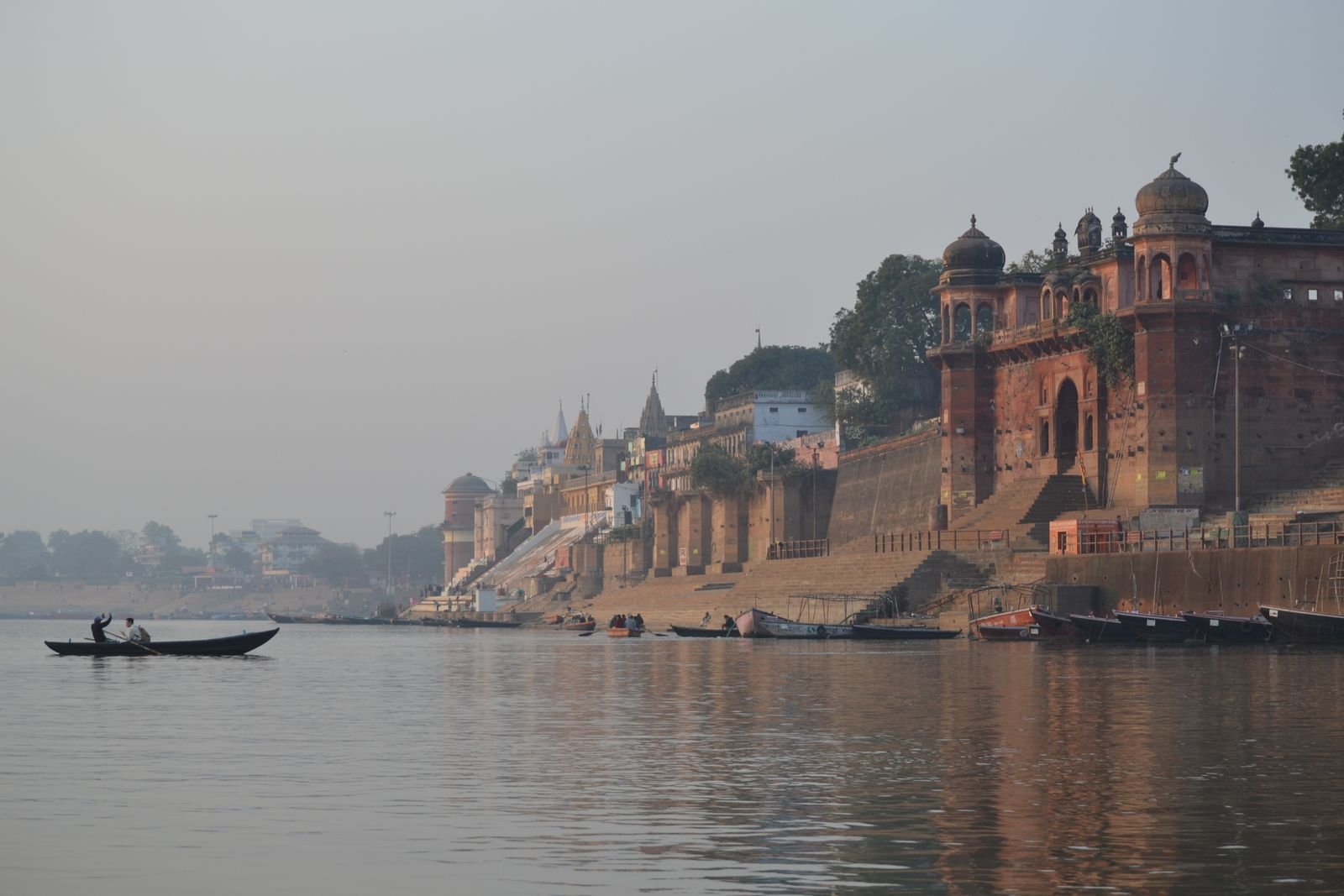
Early morning on the Ganges at Varanasi. Photo: Exequiel Labiano / Pexels
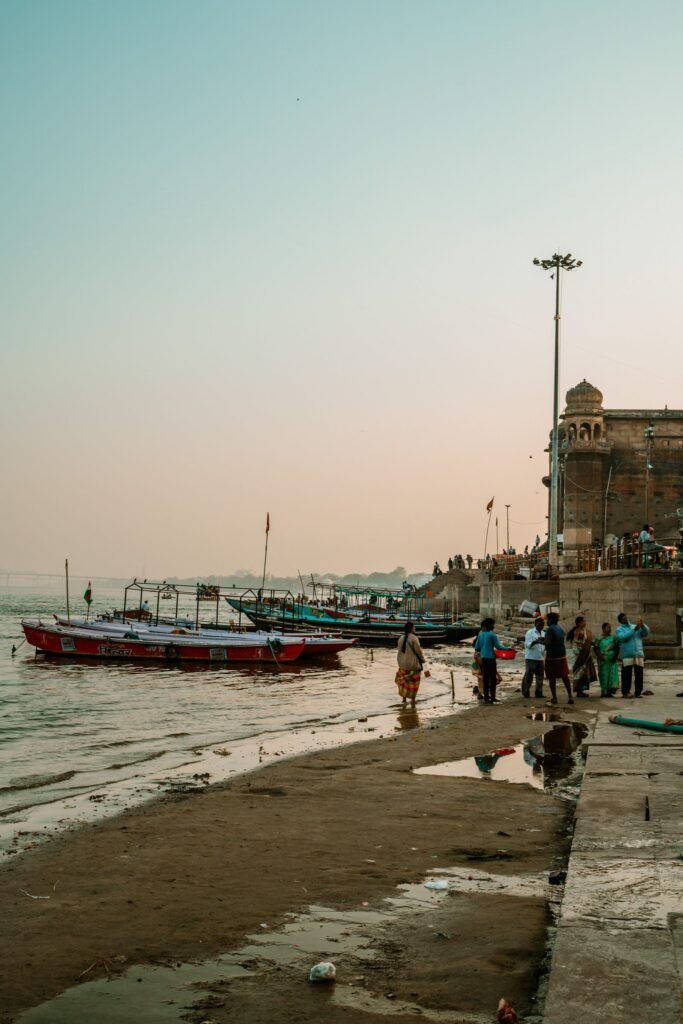
The light arrives on the water first. Long before it reaches the lanes behind, it settles on the Ganges and lifts the stone steps out of the dark one tier at a time, until the whole curve of the riverfront is awake. Varanasi has more than eighty ghats strung along the western bank, and at this hour none of them is performing for anyone.
A bath, a prayer
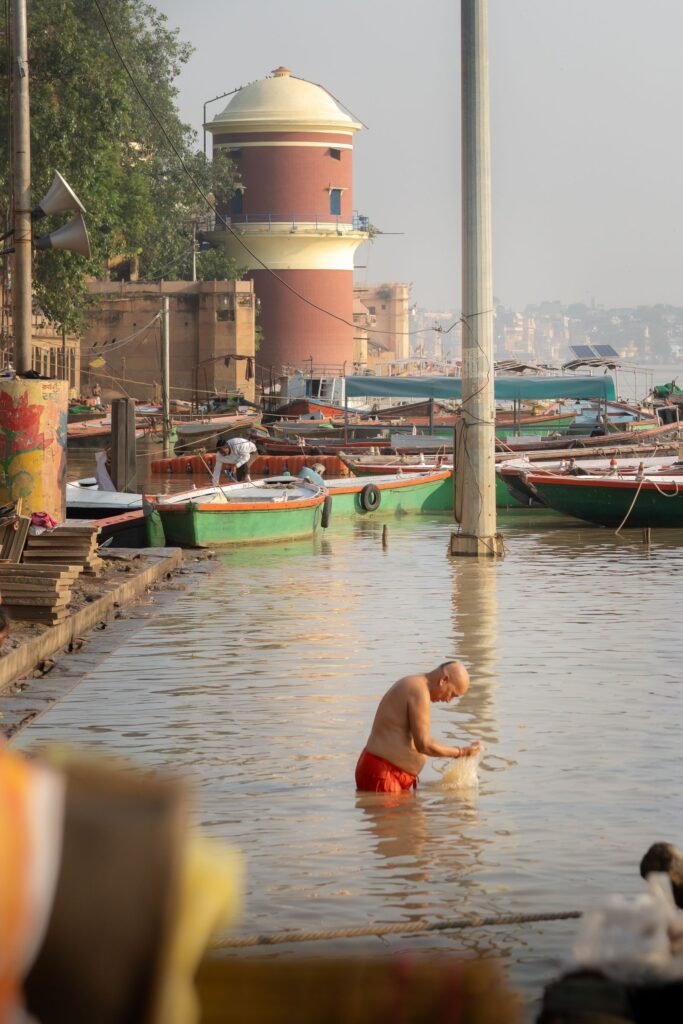
At Assi, at the southern end of the ghats, the day often begins in the water. A man stands waist-deep facing the sun, hands raised, absorbed in something entirely his own. The bath is hygiene, habit and devotion in a single gesture, and the river takes all three without comment.
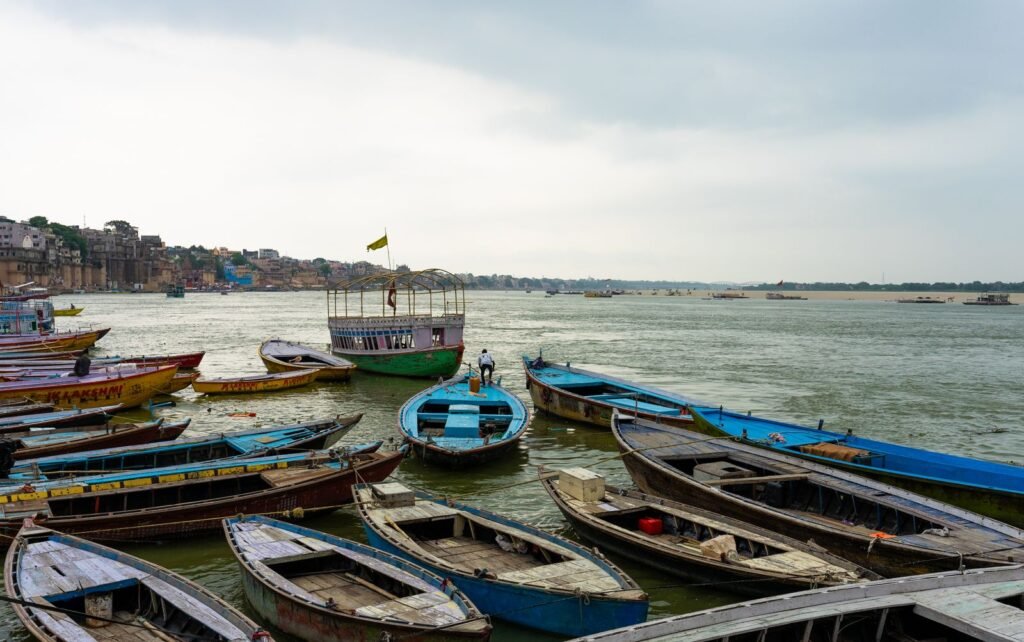
The river is the city's main street, and the boats are how it crosses itself.
A note
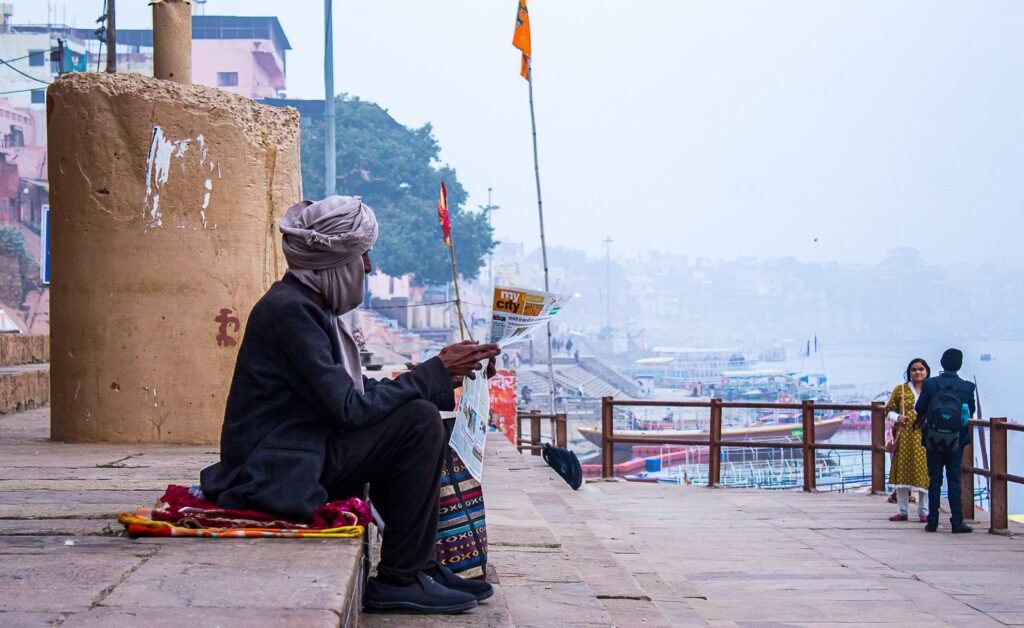
The steps are the city's common room, used for tea, for talk and for the paper. An unhurried morning is its own tradition.
Colour on the steps
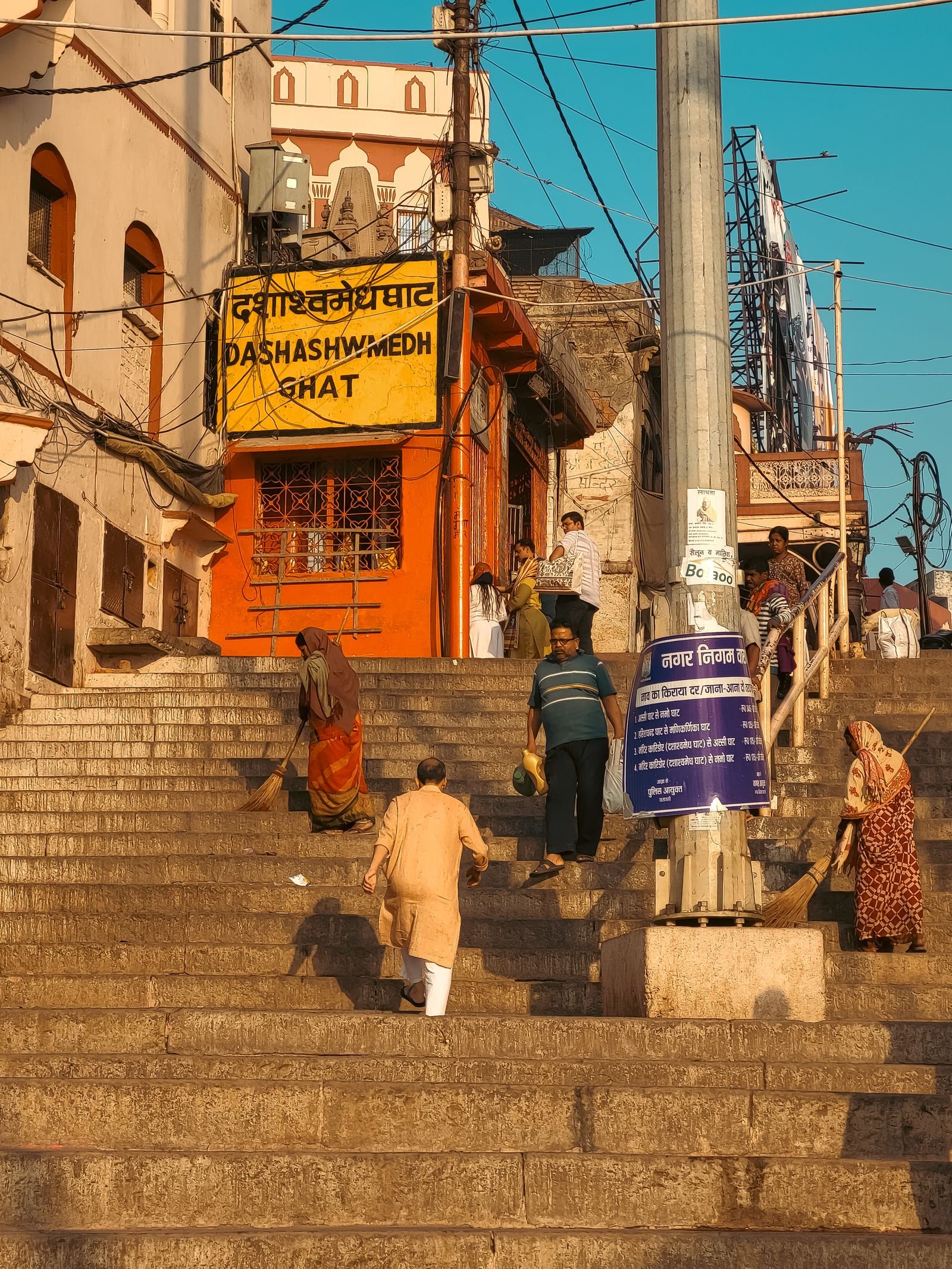
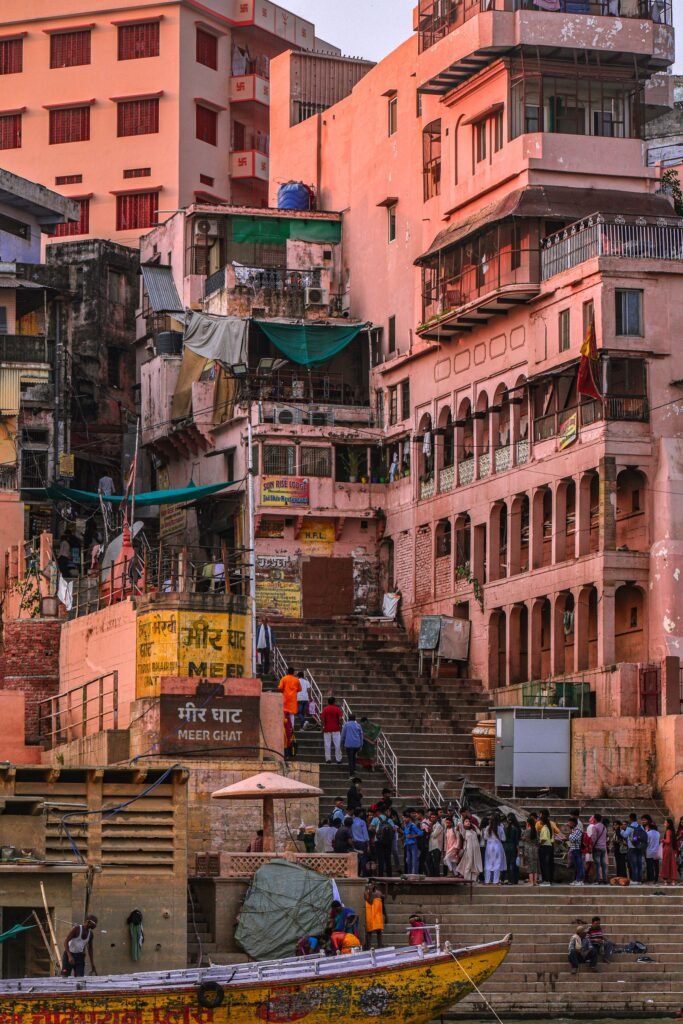
Walk along the river and the walls begin to speak. Houses lean over the steps in faded ochre, turquoise and pink, hung with washing and balconies and painted signs. The steps hold everything at once: a card game, a pot of tea, a boy with a kite, a woman carrying brass. It is crowded, but never chaotic. There is an order, learned by living inside it.
Best seen slowly and on foot, from the steps rather than the lanes above.
The ghats are not a place you visit. They are a place that keeps going whether or not you do.
A note
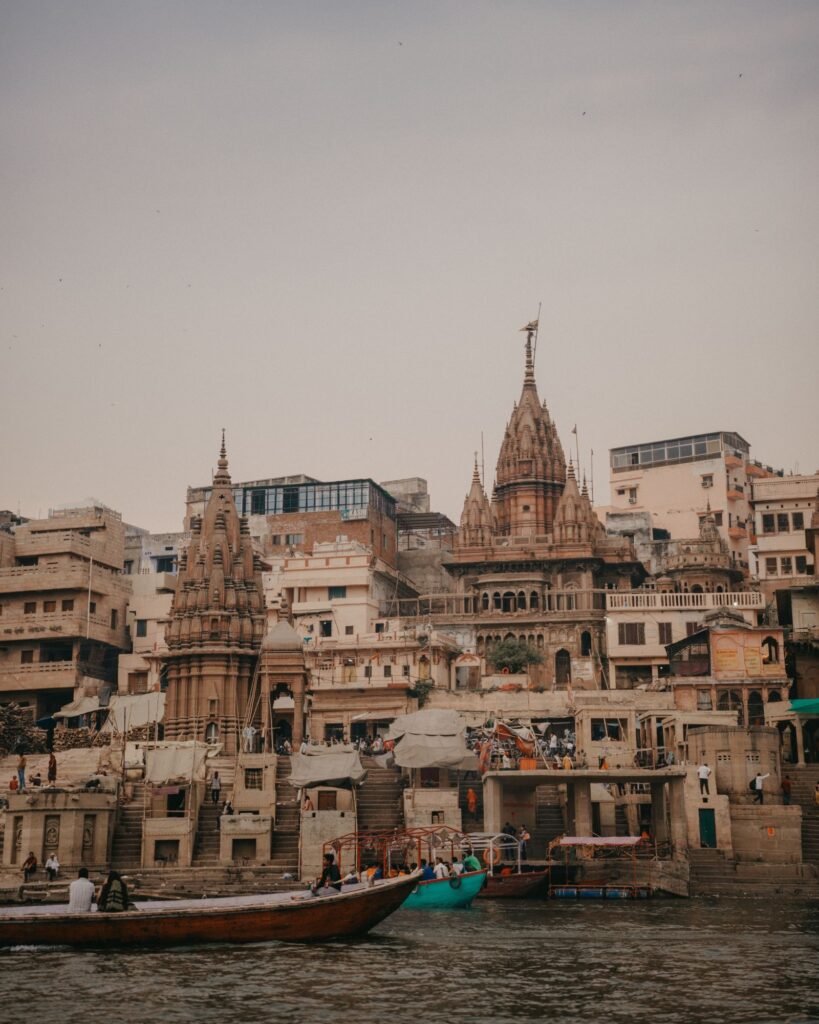
Shrines of every size crowd the waterfront, many of them older than the lanes around them, and all of them still in use.
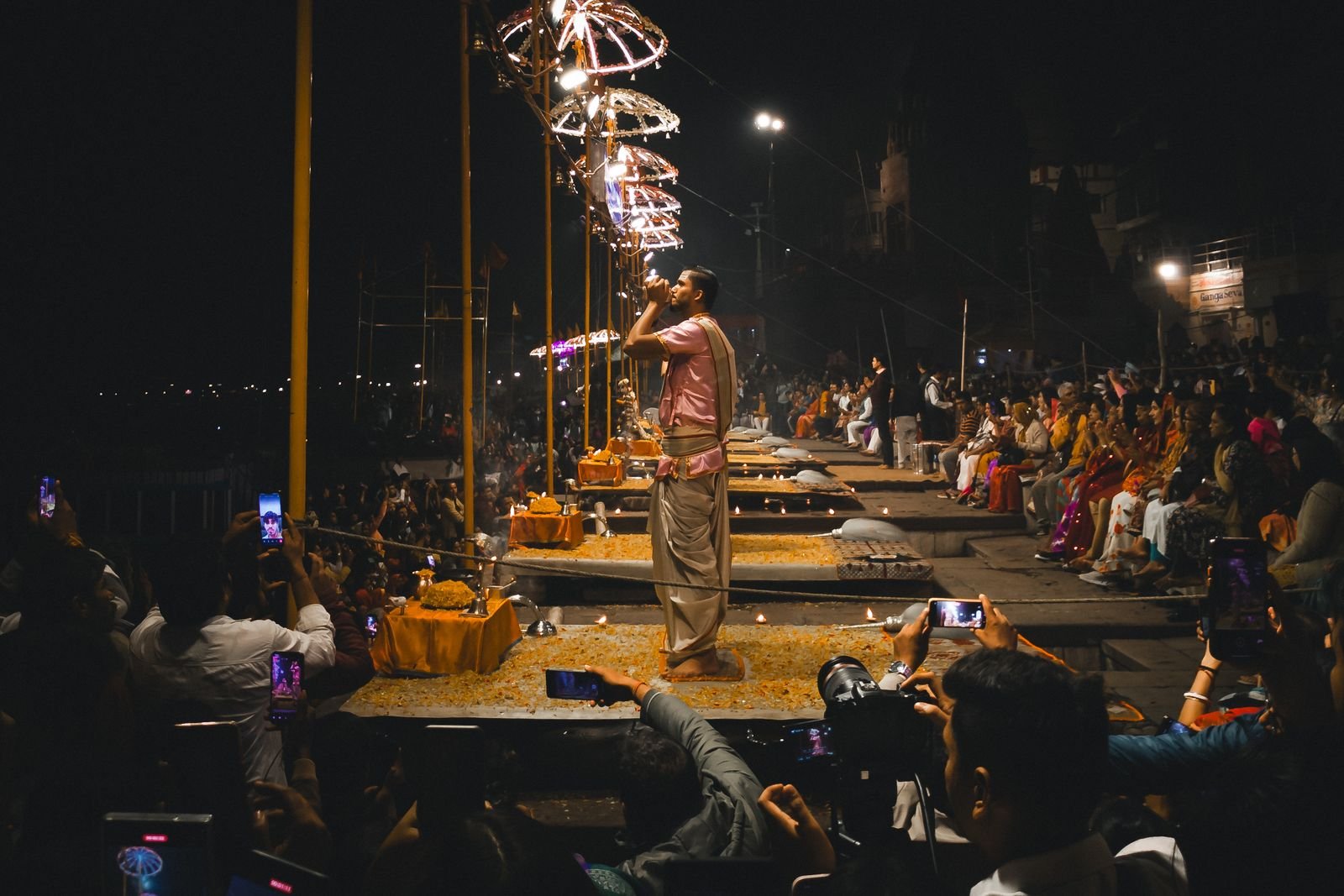
And when the dark comes, the lamps are lit, and the day that began with water ends with fire.